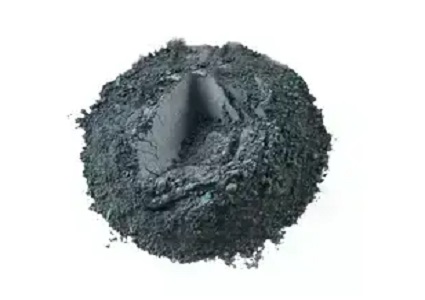
Rare earth sputtering targets differ primarily in functional properties such as optical emission, magnetic behavior, dielectric performance, and chemical reactivity. Europium is preferred for luminescent and display applications, neodymium and dysprosium for magnetic thin films, and lanthanum for dielectric and electronic applications. The right choice depends on the specific functional requirement of the thin film rather than general material performance.
What Are Rare Earth Sputtering Targets Used For?
Rare earth sputtering targets are critical in advanced thin film deposition where functional properties—not just structural coatings—are required. These materials are widely used in:
Each rare earth element provides unique electronic or optical behavior, making material selection highly application-specific.
How Do Different Rare Earth Sputtering Targets Compare?
Europium Sputtering Target
Strong red luminescence, which is key for displays and LEDs
Excellent optical emission efficiency
Widely used in phosphors and photonic thin films
The Europium Sputtering Target is the best choice for luminescent and display-related coatings, especially where color purity and emission efficiency are critical.
Neodymium (Nd) Sputtering Target
Neodymium Sputtering Target is ideal for magnetic and electronic thin films.
Dysprosium (Dy) Sputtering Target
Dysprosium Sputtering Target is best for high-temperature magnetic applications.
Lanthanum (La) Sputtering Target
Strong reactivity for oxide formation
Used in high-k dielectric films
Good electron emission properties
Preferred for semiconductor dielectric and electronic layers.
Which Rare Earth Target Is Best for Optical Applications?
For optical and photonic applications:
Europium → Strong luminescence, especially red emission
Erbium → Optical amplification in fiber optics
Ytterbium → Laser-related applications
Among these, the Europium Sputtering Target is widely used in display panels, LEDs, and phosphor coatings, where high color purity is required.
Which Rare Earth Material Is Best for Magnetic Thin Films?
Magnetic performance varies significantly:
For high-performance magnetic coatings, combining Nd and Dy materials is often preferred.
Is There a "Best" Rare Earth Sputtering Target?
There is no universal best option.
Choose europium for optical emission
Choose neodymium/dysprosium for magnetics
Choose lanthanum for dielectric and electronic functions
Material selection must align with:
What Factors Should You Consider When Choosing a Rare Earth Target?
When selecting a sputtering target, focus on:
Purity, such as ≥99.9%–99.99%
Film functionality, including optical, magnetic, and electronic performance
Thermal stability requirements
Reactivity during sputtering, especially for oxides
Supplier consistency and manufacturing quality
A reliable supplier ensures:
How Does Europium Compare to Other Rare Earth Targets?
The Europium Sputtering Target stands out due to:
Unique luminescent properties
High efficiency in light emission
Strong application potential in display and photonic technologies
Compared to other rare earth materials, europium is less focused on structural or magnetic roles and more on optical functionality, making it indispensable in modern display technologies.
Conclusion
Rare earth sputtering targets are not interchangeable—they are function-driven materials. Europium leads in optical applications, neodymium and dysprosium dominate magnetic systems, and lanthanum supports dielectric and electronic performance. Choosing the right target requires a clear understanding of application goals, film properties, and process conditions. For display and photonic applications, the Europium Sputtering Target remains one of the most critical materials in advanced thin film technology.
FAQs
What is the most commonly used rare earth sputtering target?
It depends on the application—europium for displays, neodymium for magnetics, and lanthanum for semiconductors.
Why is europium important in thin films?
Because of its strong luminescent properties, especially its red emission for displays.
Which rare earth is best for magnetic coatings?
Neodymium and dysprosium are the most commonly used materials for magnetic thin films.
Are rare earth sputtering targets expensive?
Yes. Due to limited supply and complex processing, they can be expensive, but they offer high functional value.
How to choose a reliable supplier?
Look for high purity, stable production quality, and experience in thin film materials.
 English