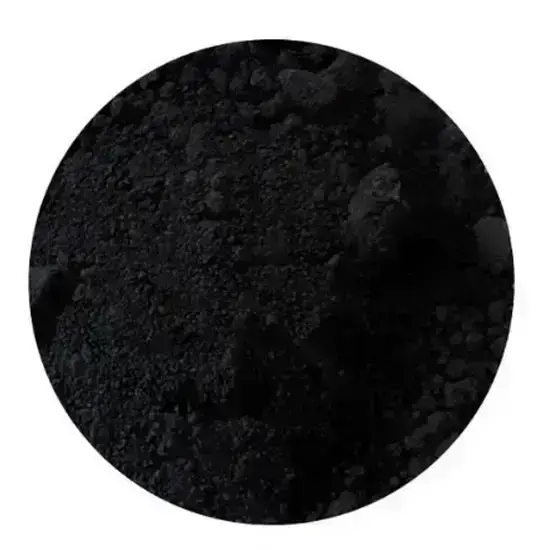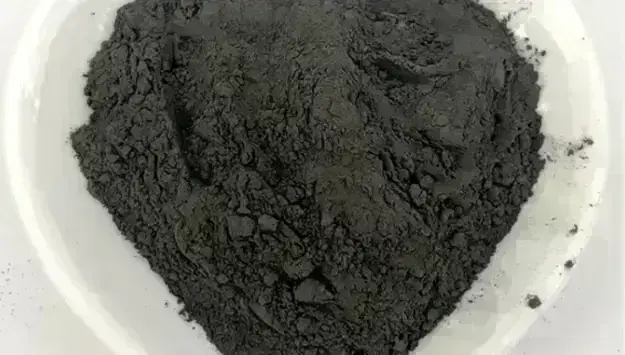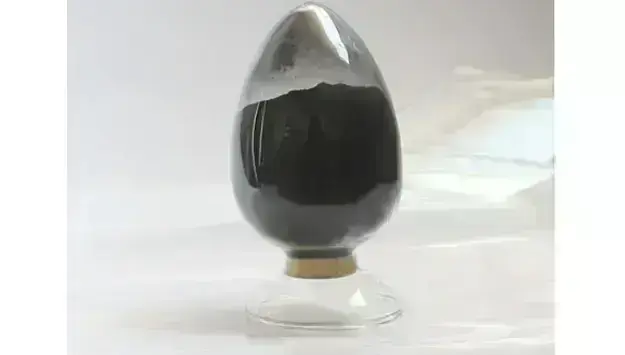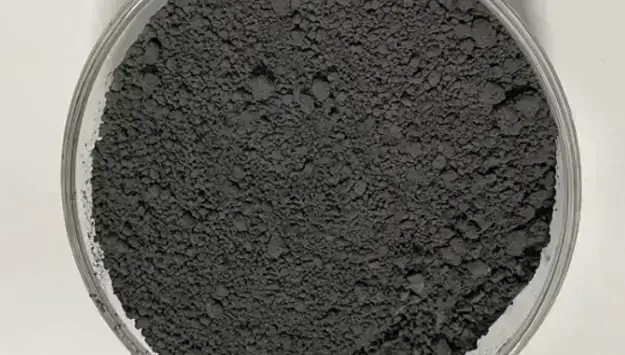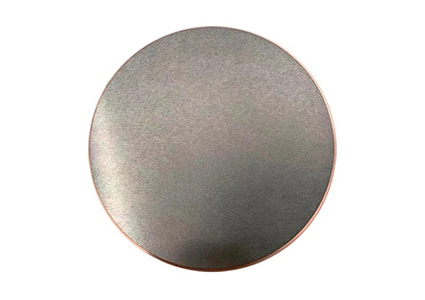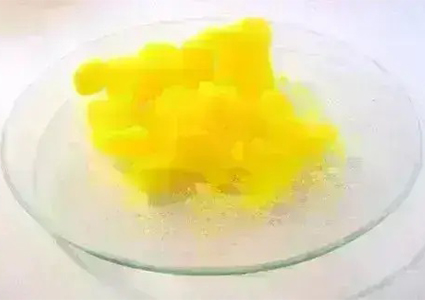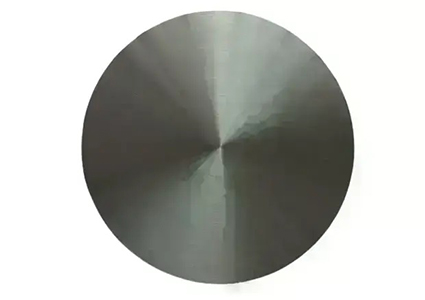
Zirconium carbide powder is a high-performance inorganic non-metallic material with significant characteristics such as high melting point, high hardness, and strong chemical stability. It is widely used in the manufacturing of wear-resistant and corrosion-resistant hard alloys, such as zirconium carbide crucibles and cutting tools, which can effectively improve the durability and service life of products. In addition, zirconium carbide powder is also applied in fields such as fiber reinforced materials, high-temperature resistant coatings, and new insulation and temperature regulating textiles, providing important support for modern industrial and technological development. Its unique physical and chemical properties make zirconium carbide powder exhibit broad application prospects in multiple fields.
purity: ≥ 99.99%
Particle size: D90 < 3um
CAS: 12070-14-3
Product Name: Zirconium Carbide Powder
Chemical Formula: ZrC
CAS Number: 12070-14-3
Purity Levels: 99.5%, 99.9%
Particle Size Options: 1–5 µm,<10 µm, nano (<100 nm), custom mesh sizes
Appearance: Gray-black powder
Crystal Structure: Cubic (NaCl-type structure)
Melting Point: ~3530 °C
Density: 6.73 g/cm³
Packaging: Double-layer vacuum packaging or argon-filled containers
| Property | Technical Benefit |
Ultra-High Melting Point (~3530 °C) | Suitable for thermal protection systems, nozzles, and hypersonic flight components. |
High Hardness (~25 GPa) | Ideal for tool coatings, wear-resistant surfaces, and structural reinforcements. |
Good Electrical and Thermal Conductivity | Enables use in electrode materials and high-temperature electronic applications. |
Low Oxidation Rate in Inert Atmosphere | Stable in non-oxidizing environments even above 2000 °C. |
ZrC powder plays a critical role in advanced material systems operating in aggressive conditions:
Thermal Protection Systems (TPS)
Used in reentry vehicles, rocket engines, and hypersonic aerospace platforms due to its exceptional thermal shock resistance.
Hard Coating & Surface Engineering
Serves as a base material for plasma-sprayed coatings or PVD films on cutting tools, wear parts, and molds.
Nuclear Fuel Cladding & Control Rods
Investigated as an inert matrix for nuclear fuel due to low neutron absorption and high chemical stability.
High-Temperature Structural Ceramics
Blended with SiC or ZrB₂ to form UHTCs for turbine blades, jet nozzles, or thermal barrier systems.
Electronic & Electrochemical Applications
Utilized in field emission cathodes, electrodes, and thermionic emission systems thanks to its good conductivity.
Yes. Zirconium carbide can oxidize, especially at elevated temperatures, which may change surface chemistry and affect sintering or coating performance. To reduce risk, handle the powder in low-humidity conditions, limit air exposure time, and use inert gas or vacuum environments for high-temperature processing whenever possible.
Store ZrC powder in a tightly sealed container in a cool, dry place, away from moisture and reactive chemicals. After opening, it is best to dispense in a dry room or glovebox (if available), then reseal promptly to prevent moisture uptake and contamination that can impact consistency.
Yes. A Certificate of Analysis (COA) and batch/lot identification can typically be provided. If your project has specific impurity limits (e.g., oxygen, nitrogen, iron), please state them at the inquiry stage so the appropriate testing and release criteria can be applied.
Beyond temperature and dwell time, the most critical factors often include powder oxygen/carbon balance, binder/additive selection (to avoid unwanted residues), and atmosphere control (vacuum or high-purity inert gas). For composite systems (e.g., with SiC or ZrB₂), interfacial compatibility and potential side reactions should also be considered.
For coating processes, powder flowability, agglomeration state, and particle-size distribution stability are often key. To recommend the right grade, it helps to know your coating route (e.g., thermal spray, slurry-based coating, powder feedstock preparation) and any requirements for morphology, dispersion behavior, or post-processing.
As a fine powder, ZrC should be handled with standard powder safety practices: prevent dust inhalation, use local exhaust ventilation or dust collection, and wear appropriate PPE (mask/respirator, goggles, gloves). Avoid uncontrolled contact with strong oxidizers, and follow local regulations for fine-powder handling and dust management.
Customization is often possible. For an accurate quote, please provide your intended application, target particle-size distribution (e.g., D10/D50/D90 or mesh), any critical impurity limits, required quantity, and whether you need third-party inspection or specific documentation/standards.
Contact With Us:
E-mail: export@zhiyueltd.com
Have a Questions? Call Us:
Add:
RM.1624. Block A. Ming Feng Bo Ma Dou, Cross of Ming Guang Road and Shang Xin Road, Xi'an Economic and Technological Development Zone, Shaanxi Province, China