Terbium sputtering targets are essential materials used in the thin-film deposition process, enabling the creation of high-performance coatings in various high-tech applications. As a rare earth metal, terbium plays a pivotal role in industries requiring advanced materials for magneto-optical devices, data storage technologies, and phosphor coatings. In this guide, we will explore the properties, manufacturing process, and applications of Terbium Sputtering Targets, as well as provide answers to common questions.
What is Terbium Sputtering Target?
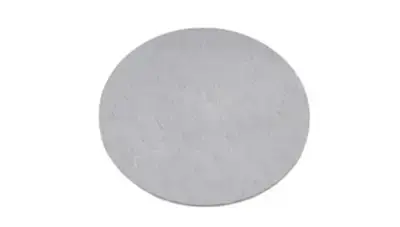
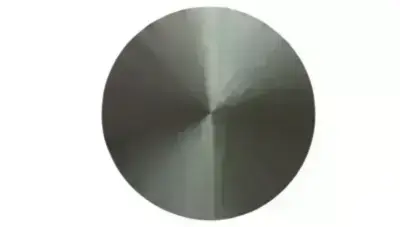
A Terbium Sputtering Target is a high-purity metallic target made from terbium used in sputter deposition processes. Sputtering is a widely used thin-film deposition technique in which material is ejected from a target (terbium in this case) and deposited on a substrate to form a thin film.
Terbium is a lanthanide metal with high magnetic and optical properties, making it invaluable in many advanced technologies. The Terbium Sputtering Target is used for creating thin films for optical coatings, magnetic devices, and high-technology applications.
At Zhiyue, we produce high-quality terbium sputtering targets with purity levels that can exceed 99.9%, ensuring consistent performance in your applications.
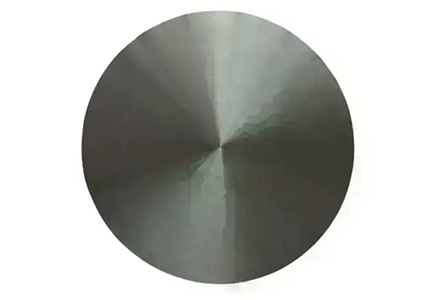
Properties of Terbium Sputtering Target
The properties of Terbium Sputtering Targets are key factors that influence their performance in sputtering applications. Below are the primary properties that make them ideal for high-tech industries.
High Purity
High-purity terbium pellets are crucial for achieving smooth and uniform thin films. Terbium sputtering targets produced by Zhiyue are available in purities ranging from 99.9% to 99.999% to meet the stringent requirements of various industrial applications.
Magnetic Properties
Terbium has excellent magnetic properties, particularly at low temperatures. Its high magnetic permeability makes it ideal for use in magneto-optical applications such as optical data storage and display technologies.
Optical Characteristics
Terbium is known for its luminescent properties, particularly in phosphor coatings and display technologies. Sputtered thin films of terbium can be used to improve the performance of phosphor layers in LED and laser technologies.
Corrosion Resistance
Terbium has strong corrosion resistance when used in high-temperature environments, making it an excellent choice for high-performance coating materials.
High Melting Point
With a melting point of 1,356°C, terbium sputtering targets can withstand extreme conditions without degrading, which is important for applications in aerospace and electronics.
Terbium Sputtering Target Manufacturing Process
The manufacturing of Terbium Sputtering Targets involves several key steps to ensure high performance and purity. Here’s an overview of the typical manufacturing process:
Material Sourcing
The first step in manufacturing a terbium sputtering target is sourcing high-purity terbium metal. The material must be free from contaminants to ensure that the final sputtering target meets the required quality standards.
Alloying (if applicable)
In some cases, terbium is alloyed with other elements like boron or iron to enhance specific properties like magnetic strength or thermal stability. However, pure terbium is typically used for most applications.
Powder Production
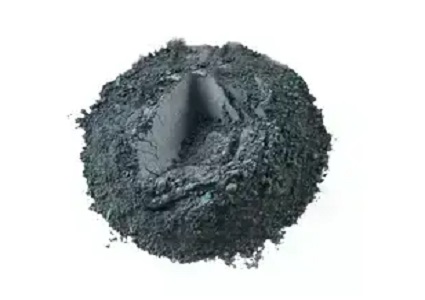
Once the metal is sourced, terbium pellets are crushed into a fine powder, which is essential for achieving uniform sputtering. The powder is then compacted into a solid form, often by a cold pressing method.
Sintering
The compacted target is sintered at high temperatures to form a solid and durable sputtering target. This process helps to reduce porosity and ensures the material is dense and uniform.
Final Inspection
The final product is inspected for purity, homogeneity, and structural integrity. Targets are tested for dimensional accuracy and density before they are shipped out for use in the sputtering process.
At Zhiyue, we ensure that all terbium sputtering targets meet international standards for purity and performance, making us a leading supplier among sputtering target manufacturers.
Applications of Terbium Sputtering Targets
Terbium sputtering targets are widely used across various high-tech industries due to their unique properties. Some of the key applications include:
Optical Coatings
Terbium-based thin films are used in optical coatings for devices like displays, laser systems, and telecommunication equipment. The luminescent properties of terbium improve the efficiency of optical systems.
Data Storage Technologies
Terbium is crucial in magneto-optical storage devices. Terbium thin films help store data on optical disks, improving data density and performance.
Phosphor Coatings
Terbium sputtering targets are used in the production of phosphor coatings in LEDs and lasers, which emit light at specific wavelengths. These coatings improve color rendering and brightness.
Magneto-Optical Devices
Terbium is employed in magneto-optical devices used for optical communication, displays, and sensor applications. The material’s magnetic and optical properties enable efficient interaction with light.
Aerospace and High-Temperature Applications
Due to its high melting point and thermal stability, terbium sputtering targets are used in aerospace applications where materials need to withstand extreme environments.
FAQs
1. What are the primary uses of Terbium Sputtering Targets?
Terbium sputtering targets are mainly used in optical coatings, data storage, and magneto-optical applications, such as phosphor coatings for LEDs and laser systems.
2. What makes Terbium ideal for sputtering targets?
Terbium’s magnetic properties, luminescent characteristics, high melting point, and corrosion resistance make it an excellent choice for sputtering targets in high-performance applications.
3. How is Terbium Sputtering Target manufactured?
The manufacturing process involves sourcing high-purity terbium, powder production, compaction, sintering, and final inspection to ensure a high-quality, uniform sputtering target.
Conclusion
Terbium sputtering targets are an essential component in the creation of advanced coatings and thin films for a variety of high-tech applications, including optical systems, data storage, and magneto-optical devices. By understanding the properties, manufacturing process, and applications of these targets, you can better leverage terbium in your cutting-edge technologies. At Zhiyue, we offer top-quality terbium sputtering targets to meet the needs of industries requiring precision and performance.
 English