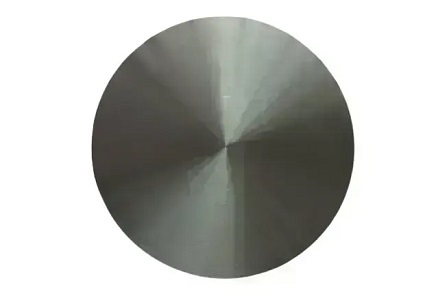
In the rapidly evolving semiconductor and thin-film industry, the GaN sputtering target has emerged as a critical material for next-generation electronics, optoelectronics, and high-power devices. With the rise of wide-bandgap semiconductors, gallium nitride (GaN) is now a cornerstone material, and selecting the right GaN target from reliable sputtering target manufacturers like Zhiyue is essential for achieving consistent deposition performance.
What is a GaN Sputtering Target?
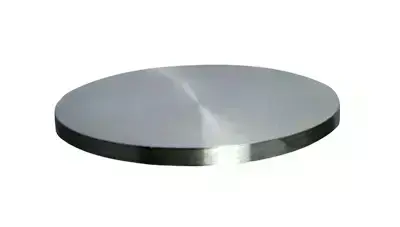
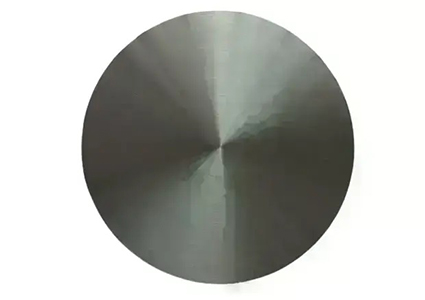
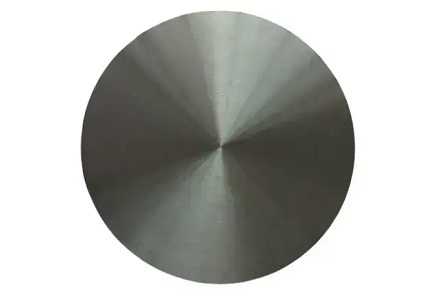
A GaN sputtering target is a high-purity solid material composed of gallium nitride (GaN), used in physical vapor deposition (PVD) processes such as magnetron sputtering. During sputtering, energetic ions bombard the target surface, ejecting atoms that deposit onto a substrate to form thin films.
These thin films are essential in manufacturing:
GaN is a wide bandgap semiconductor known for its exceptional electrical and thermal properties, enabling superior performance compared to traditional silicon-based materials .
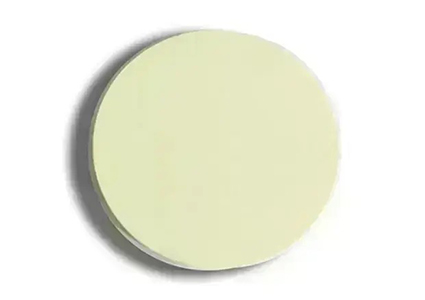
Key Features of GaN Sputtering Target
High-quality GaN targets must meet strict material and structural requirements. Below is a breakdown of the most critical features:
Ultra-High Purity (≥99.99%)
High purity reduces contamination during deposition, ensuring better electrical performance and film quality.
High Density & Low Porosity
Dense targets minimize arcing and particle generation, resulting in uniform thin films and higher process stability.
Excellent Thermal Stability
GaN maintains structural integrity at high temperatures, making it ideal for high-power and high-frequency applications.
Wide Bandgap Properties
GaN’s wide bandgap enables:
Flexible Geometry & Bonding
Available in:
Planar (disc/rectangular)
Bonded targets with Cu or Mo backing plates
Custom sizes for industrial sputtering systems
Technical Specifications of GaN Sputtering Target
| Property | Typical Value |
|---|
| Chemical Formula | GaN |
| Purity | 99.99%–99.999% |
| Density | ≥95% theoretical |
| Form | Planar / Bonded |
| Sizes | 1”–6” (custom available) |
| Backing Plate | Cu / Mo / Custom |
| Manufacturing | Hot pressing + sintering |
These specifications are critical for ensuring stable sputtering performance and high-quality thin-film deposition.
Applications of GaN Sputtering Target
Based on the actual product data and technical description from Zhiyue, the applications of GaN sputtering target are primarily focused on environments where radiation stability and reliability are critical.
Satellite Solar Cell Arrays
GaN sputtering targets exhibit low sensitivity to ionizing radiation, which makes them highly suitable for use in satellite solar cell arrays.
This property ensures:
Stable performance under prolonged radiation exposure
Reduced degradation in space environments
Improved lifespan of satellite energy systems
These advantages make GaN an ideal material for space-based photovoltaic applications.
Military & Defense Systems
GaN sputtering targets are also applied in military and defense technologies, where equipment often operates in high-radiation or harsh environments.
Key benefits include:
Resistance to radiation-induced performance degradation
Long-term operational stability
Suitability for advanced defense electronics
These characteristics make GaN targets a dependable material for mission-critical systems.
Why Choosing the Right Sputtering Target Manufacturer Matters
Not all sputtering target manufacturers deliver the same quality. Partnering with an experienced supplier like Zhiyue ensures:
Material Consistency
Precise control over purity and density improves reproducibility.
Advanced Manufacturing
Processes like hot pressing and isostatic pressing ensure structural integrity.
Customization Capabilities
Tailored sizes, bonding options, and compositions.
Technical Support
Expert guidance for deposition optimization.
Supply Chain Reliability
Stable delivery for large-scale production.
How to Choose the Best GaN Sputtering Target
When selecting a GaN sputtering target, consider:
Purity Level
Choose ≥99.99% for semiconductor-grade applications.
Density
Higher density = better film uniformity.
Bonding Quality
Ensure strong adhesion between target and backing plate.
Compatibility
Match target size and configuration with your sputtering system.
Manufacturer Expertise
Work with proven suppliers like Zhiyue for reliability.
FAQs
1. What is the difference between GaN target and Ga target?
A GaN target contains gallium nitride compound, while a Ga target is pure gallium. GaN is used for compound semiconductor films, whereas Ga requires reactive sputtering with nitrogen.
2. Why is GaN preferred over silicon in sputtering applications?
GaN offers higher breakdown voltage, better thermal stability, and superior performance in high-frequency environments compared to silicon.
3. What industries use GaN sputtering targets the most?
Semiconductors, optoelectronics, aerospace, defense, and renewable energy industries are the primary users.
Summary
Unlike generalized descriptions often found online, the core confirmed applications of GaN sputtering targets (based on Zhiyue’s product data) are centered on:
These applications highlight GaN's unique advantage: exceptional stability in radiation-intensive conditions, which is a key differentiator compared to conventional sputtering materials.
 English