Aluminum scandium sputtering targets are becoming increasingly vital in the materials science and electronics industries due to their unique properties. By combining aluminum and scandium in an alloy, this sputtering target material offers a wide range of advantages for thin-film deposition in advanced applications like aerospace, electronics, and solar cells. In this article, we will explore the properties, applications, and advantages of aluminum scandium sputtering targets, alongside the manufacturing process, and provide answers to some frequently asked questions.
What is Aluminum Scandium Sputtering Target?
An aluminum scandium sputtering target is a solid metal alloy made of aluminum (Al) and scandium (Sc). Sputtering targets are used in the physical vapor deposition (PVD) process, where material from the target is vaporized and deposited as a thin film onto a substrate.
The aluminum scandium alloy used in sputtering targets is known for its high corrosion resistance, thermal stability, and superior mechanical properties. This makes it an ideal material for applications that require durable coatings in electronics, aerospace, and solar technologies.
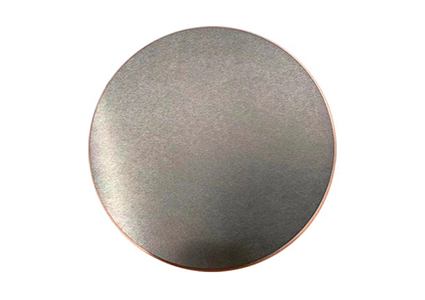
Key Characteristics of Aluminum Scandium Sputtering Targets
| Property | Value |
|---|
| Chemical Formula | AlSc (Aluminum-Scandium Alloy) |
| CAS Number | 1313-94-8 (Scandium), 7429-90-5 (Aluminum) |
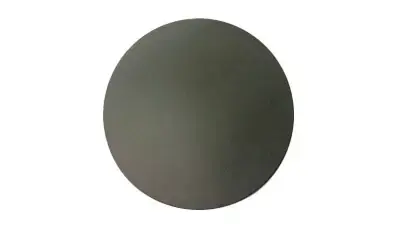
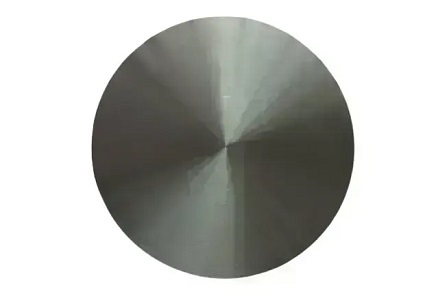
| Appearance | Silver to gray metallic |
| Purity | ≥ 99.99% |
| Melting Point | 660°C (Aluminum) + 1541°C (Scandium) |
| Density | ~2.98 g/cm³ |
| Ideal for | Thin-film deposition, coating, electronics, aerospace |
| Typical Alloy Composition | 1-10% Scandium in Aluminum |
At Zhiyue, we provide high-purity aluminum scandium sputtering targets with precise control over alloy composition to meet the specific needs of various industrial applications.
Properties of Aluminum Scandium Sputtering Target
The combination of aluminum and scandium in a sputtering target brings out a unique set of properties that make it suitable for a variety of demanding applications.
Excellent Mechanical Properties
High strength-to-weight ratio: The aluminum-scandium alloy significantly enhances the strength of aluminum while keeping the weight low, making it ideal for applications in aerospace and electronics.
Increased hardness: The addition of scandium enhances the hardness of the alloy, improving wear resistance in thin films.
Enhanced Corrosion Resistance
Superior Thermal Stability
Thermal stability: With a higher melting point than pure aluminum, aluminum scandium sputtering targets maintain their integrity at elevated temperatures, which is critical in high-performance applications that require materials to withstand thermal stress.
Light Reflectivity and Conductivity
Conductivity: Aluminum has naturally high electrical conductivity, which is enhanced by the addition of scandium, making this alloy useful in electronic applications.
Reflectivity: The reflective properties of aluminum improve the efficiency of sputtering processes, especially in coatings designed for solar cells and optical devices.
Applications of Aluminum Scandium Sputtering Target
Aluminum scandium sputtering targets are used in a variety of industries that require high-performance materials for thin-film deposition. Some common applications include:
Aerospace and Defense
The aluminum scandium alloy is widely used in aerospace applications due to its lightweight, high-strength, and thermal stability properties. Aluminum scandium coatings are often applied to aerospace components to improve wear resistance, corrosion resistance, and thermal protection.
Electronics and Semiconductor Industry
In the electronics industry, aluminum scandium sputtering targets are used for the deposition of thin films on semiconductors, transistors, and integrated circuits. Their high conductivity and reflectivity make them ideal for high-efficiency coatings in semiconductor devices and optical components.
Solar Energy
The reflective properties of aluminum scandium alloys are useful for solar cell coatings that require high reflectivity and durability in outdoor environments. These coatings help to improve light absorption and energy efficiency.
Optical Coatings
Aluminum scandium alloy thin films are used in optical coatings for mirrors, lenses, and beam-splitting components. The material's high reflectivity, along with its resistance to oxidation, ensures that these components maintain performance over time.
Automotive Industry
With improved durability and lightweight characteristics, aluminum scandium coatings are used in the automotive industry for parts exposed to high stress and wear. These coatings also help in enhancing the fuel efficiency of vehicles due to their reduced weight.
Advantages of Aluminum Scandium Sputtering Target
Aluminum scandium sputtering targets offer numerous advantages in terms of performance and cost-effectiveness for high-tech industries. Some key benefits include:
Enhanced Performance in Thin Film Deposition
The high mechanical strength and thermal stability of aluminum scandium alloys result in high-quality thin films with superior durability, resistance to wear, and longevity in demanding environments.
Reduced Weight with High Strength
Aluminum scandium alloys offer a high strength-to-weight ratio, which is crucial in aerospace and defense industries where weight reduction is critical without compromising material strength.
Cost-Effectiveness
Compared to other high-performance alloys, aluminum scandium sputtering targets provide a more cost-effective solution for thin-film deposition in various applications, making it an attractive material for manufacturers in semiconductor and optical industries.
Versatility in Coating Applications
The ability of aluminum scandium alloys to enhance conductivity, optical reflectivity, and corrosion resistance makes them versatile in many applications, including electronics, aerospace, and solar energy.
High Purity and Precision
Zhiyue, as one of leading sputtering target manufacturers, offers high-purity aluminum scandium sputtering targets with precise control over alloy composition, ensuring consistency in thin-film quality and coating performance.
FAQs:
1. What is the composition of an aluminum scandium sputtering target?
An aluminum scandium sputtering target is made of an alloy of aluminum (Al) and scandium (Sc). The typical scandium content in the alloy ranges from 1% to 10% depending on the desired properties for specific applications.
2. What industries use aluminum scandium sputtering targets?
Industries such as aerospace, electronics, solar energy, automotive, and optical coatings rely on aluminum scandium sputtering targets due to their high strength, corrosion resistance, and thermal stability.
3. What is the advantage of using aluminum scandium alloys in aerospace applications?
Aluminum scandium alloys are used in aerospace due to their lightweight, high strength, and thermal stability, making them ideal for components exposed to high stress, wear, and extreme temperatures.
 English