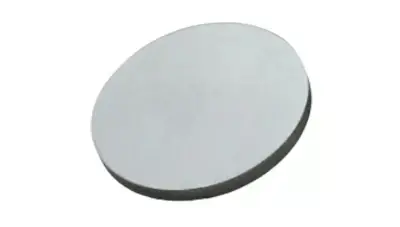
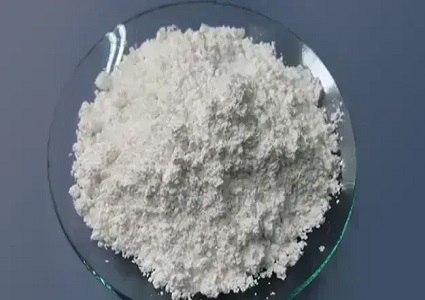
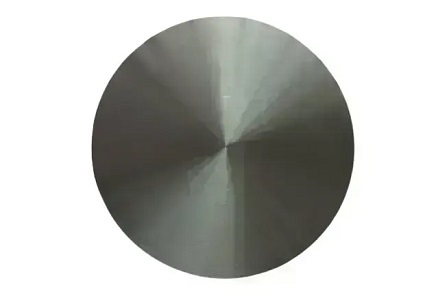
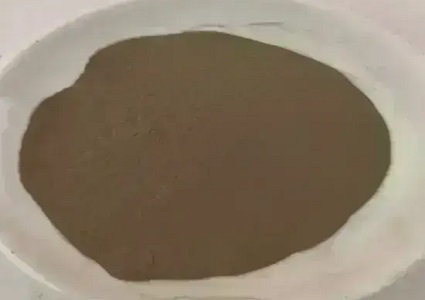
VB2 powder is an advanced ceramic material belonging to the family of transition metal borides. Due to its exceptional hardness, high melting point, and excellent electrical conductivity, it has become a critical material in aerospace, energy storage, and high-temperature engineering applications.
With growing demand for ultra-high temperature ceramics (UHTCs) and next-generation energy materials, VB2 powder is increasingly recognized as a strategic material for future industrial innovation.
What is VB2 Powder?
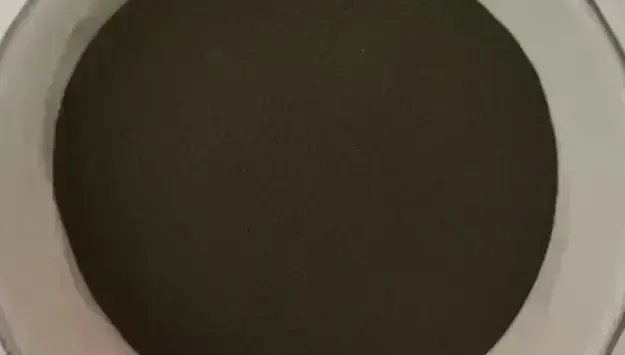
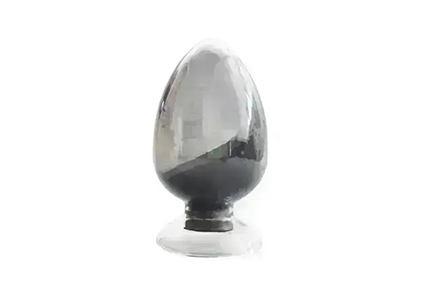
VB2 powder is a binary compound of vanadium and boron with the chemical formula VB₂. It typically appears as a dark gray to black powder and features a hexagonal crystal structure.
Key Identification Data
| Property | Value |
|---|
| Chemical Formula | VB₂ |
| CAS Number | 12007-37-3 |
| Appearance | Dark gray to black powder |
| Purity | 99.5% – 99.9% |
| Particle Size | 1–10 μm / nano customizable |
| Structure | Hexagonal |
VB2 is widely produced via carbothermic reduction or solid-state reactions, ensuring high purity and controlled particle size distribution.
Properties of VB2 Powder
VB2 powder exhibits a unique combination of ceramic hardness and metallic conductivity, making it a multifunctional material.
Mechanical Properties
High hardness (~27–30 GPa)
Excellent wear resistance
Strong resistance to deformation under stress
VB2 demonstrates Vickers hardness above 27 GPa, placing it among high-performance boride ceramics.
Thermal Properties
Extremely high melting point (~2980°C)
High thermal stability (up to ~1400 K in air)
Good thermal conductivity
These characteristics enable VB2 to perform reliably in extreme temperature environments such as aerospace systems.
Electrical Properties
This rare combination of conductivity + ceramic durability enables VB2 to be used in conductive ceramics and electrodes.
Chemical Properties
Applications of VB2 Powder
VB2 powder is widely used in advanced industrial fields due to its high hardness, excellent conductivity, and strong thermal stability, especially in applications requiring durability and multifunctional performance.
Aerospace & Defense Components
VB2 powder is commonly integrated into ultra-high temperature ceramic (UHTC) systems, often combined with materials such as ZrB₂ or SiC, to enhance performance in extreme environments.
Refractory Coatings
Thermal barrier coatings
Plasma spray coatings
Due to its oxidation resistance above 1000°C, VB2 powder is used to protect high-temperature surfaces from oxidation and wear, making it suitable for industrial furnaces and harsh thermal environments.
Conductive Ceramics & Cermets
VB2 powder's combination of electrical conductivity and thermal shock resistance makes it an ideal material for advanced conductive ceramics and composite structures.
Advantages of VB2 Powder
Compared with traditional ceramics and borides, VB2 powder offers several distinct advantages:
Dual Functionality
Combines ceramic strength + metallic conductivity, reducing the need for composite materials.
Extreme Environment Stability
Maintains structural integrity under:
High temperature
Oxidation
Mechanical stress
High Energy Potential
VB2 shows high discharge capacity in battery systems, making it attractive for next-generation energy storage.
Customizable Particle Size
From micron to nano scale, enabling:
Cost-Performance Balance
Compared to other UHTCs, VB2 offers competitive performance at potentially lower cost.
Safety & Handling Considerations
While VB2 powder is highly stable, it should be handled carefully:
Avoid inhalation of fine particles
Use protective gloves and goggles
Operate in well-ventilated environments
Dust exposure may cause skin or eye irritation, so proper industrial safety measures are essential.
FAQs
1. What industries use vanadium diboride most?
Primarily aerospace, defense, advanced ceramics, and energy storage industries.
2. Is VB2 powder suitable for high-temperature coatings?
Absolutely. Its oxidation resistance above 1000°C makes it ideal for thermal barrier coatings.
3. How is VB2 powder produced?
Typically through carbothermic reduction or solid-state synthesis, ensuring high purity and controlled particle size.
Conclusion
VB2 powder (vanadium diboride) is a next-generation advanced material that bridges the gap between ceramics and metals. Its combination of extreme hardness, thermal stability, and electrical conductivity makes it indispensable in industries demanding high performance under extreme conditions.
As emerging applications in energy storage, aerospace, and advanced manufacturing continue to expand, VB2 powder is positioned to become a critical material for future technological breakthroughs.
 English